
- Released
Mar 14, 1997
10,841 days ago- Platforms
- PS1
- Ratings
Not rated yet
Release dates
North America dates- Mar 14, 199710,841 days ago
- PS1
About
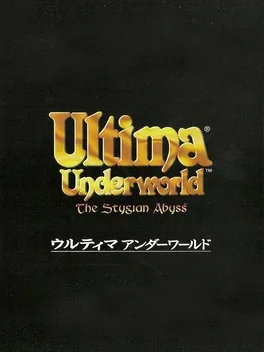
The PlayStation port of Ultima Underworld I, released exclusively in Japan, features a number of enhancements and changes from the original, including new 3D polygonal graphics, a new controls and tweaked game play optimized for the console, remixed soundtrack and new video intro.
Trailers
Screenshots
Game info
- Released
- 1997 · see every game from that year
- Modes
- Single player
- Perspective
- First person
Other versions
Remaster of 1
Studios


Languages
1 languageJapanese
| Language | Audio | Subtitles | Interface |
|---|---|---|---|
| Japanese日本語 | – |
Themes & tags
Story & names
Setting
Ultima Underworld is set in Britannia, the fantasy world of the Ultima series. Specifically, the game takes place inside a large, underground dungeon called the Great Stygian Abyss. The dungeon's entrance lies on the Isle of the Avatar, an island ruled by Baron Almric. The Abyss first appeared in Ultima IV: Quest of the Avatar, in which it contains the player's final goal, the Codex of Ultimate Wisdom.
Ultima Underworld is set after the events of Ultima VI: The False Prophet; in the time between the two games, a man named Cabirus attempted to create a utopian colony inside the Abyss. The eight settlements of the Ultima series each embody one of eight virtues, and Cabirus wished to create a ninth that embodied all virtues. To achieve this, he united diverse cultures and races in peaceful co-existence and planned to promote harmony by giving each group one of eight virtue-imbued magical artifacts. However, he died before distributing the artifacts, and left no instructions for doing so. As a result, the colony collapsed into anarchy and war, and the artifacts were lost. At the time of Ultima Underworld, the Abyss contains the remnants of Cabirus's colony, inhabited by fractious groups of humans, goblins, trolls and others.
Story
Before the beginning of the game, the Abyss-dwelling wizard brothers Garamon and Tyball accidentally summon a demon, the Slasher of Veils, while experimenting with inter-dimensional travel. Garamon is used as bait to lure the demon into a room imbued with virtue. However, the demon offers Tyball great power if he betrays Garamon. Tyball agrees, but the betrayal fails; Garamon is killed, but seals the demon inside the room. Because he lacks virtue, Tyball cannot re-enter by himself, and plans to sacrifice Baron Almric's daughter, Arial, at the doorway to gain entrance.
In the game's introduction, the ghost of Garamon haunts the Avatar's dreams with warnings of a great danger in Britannia. The Avatar allows Garamon to take him there, where he watches Tyball kidnap Arial. Tyball escapes, leaving the Avatar to be caught by the Baron's guards. The guards take him to the Baron, who banishes him to the Great Stygian Abyss to rescue Arial. After the introduction, the Avatar explores the dungeon and finds remnants of Cabirus's colony. A few possible scenarios include deciding the fate of two warring goblin tribes, learning a language, and playing an instrument to complete a quest. The Avatar eventually defeats Tyball and frees Arial.
Read the story
Also known as
- ウルティマ アンダーワールドJapanese title - stylized
- Ultima Underworld 1Alternative title
Release dates by region
1 release in 1 region
japan
- Mar 14, 1997PS1
The Ultima series
All 59 games Ultima VII: The Black Gate1992
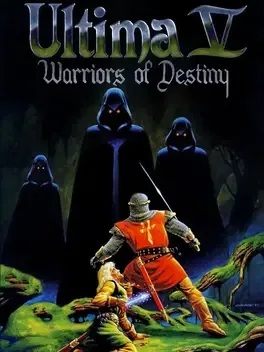 Ultima V: Warriors of Destiny1992 · Remaster
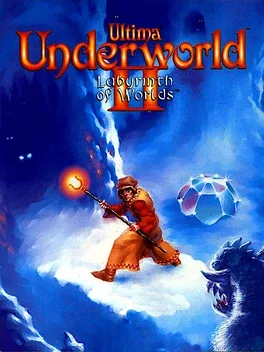 Ultima Underworld II: Labyrinth of Worlds1993
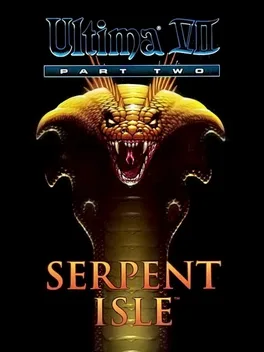 Ultima VII: Part Two - Serpent Isle1993
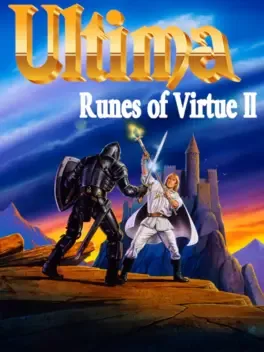 Ultima: Runes of Virtue II1993
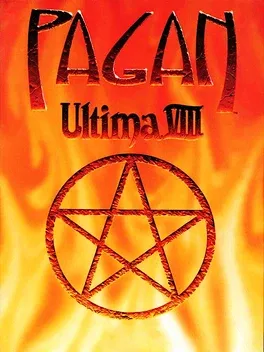 Ultima VIII: Pagan1994
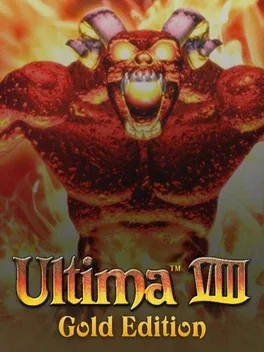 Ultima VIII: Gold Edition1996 · Expanded edition
- This gameUltima Underworld: The Stygian Abyss1997 · Remaster
 Ultima Online1997
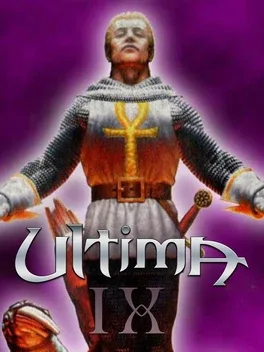 Ultima IX: Ascension1999
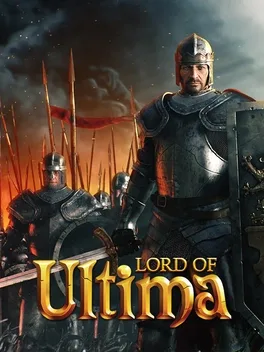 Lord of Ultima2010
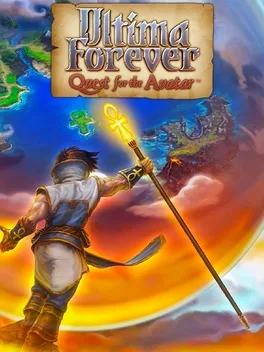 Ultima Forever: Quest for the Avatar2013
Showing 19–30 of 34 main games, in release order.
Where to find it
Data from IGDB and Steam. Critic scores from OpenCritic. Dates shown for North America, in your local time zone.